
PROMESA
Digest
Digestion
| Ginger | 1,200 mg |
|---|---|
| Peppermint | 800 mg |
| Lemon balm | 800 mg |
| Lemon verbena | 440 mg |
2 tablets after lunch and 2 after dinner
Dose basis: EMA monographs

PROMESA buys the medicinal plants grown by Guaraní communities at a premium, processes them in Paraguay in a plant built to good manufacturing practice (GMP), and exports finished food supplements. A development-cooperation project with a business engine.
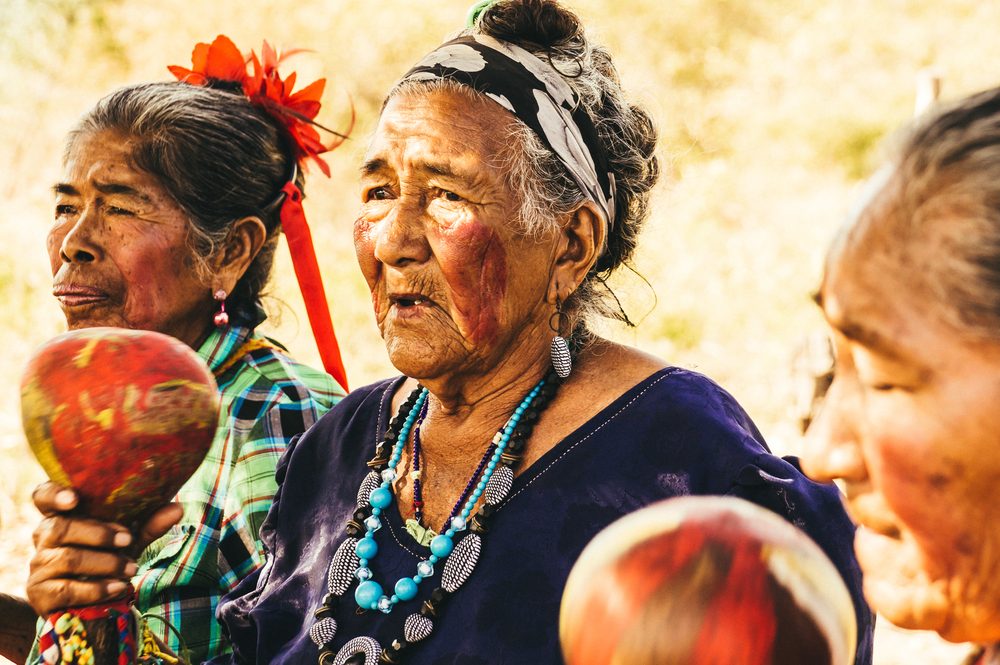
Paraguay is the home of stevia (ka'a he'ẽ) and yerba mate, and knows some 800 traditional medicinal species, the "yuyos". Guaraní communities in the east of the country have always grown and gathered them, but they sell them to middlemen, with no contract, at the lowest price and with no quality control.
Indigenous poverty stands at around 66 %, three times the national rate. Meanwhile, the global herbal supplement market is worth some USD 42 billion and grows by about 9 % a year.
What separates those two numbers is not land or knowledge: it is export-grade quality. Smoke-free drying, sterilisation without ethylene oxide, a laboratory and certification. No botanical supplement plant with EU- and US-recognised GMP certification has been identified in the country. PROMESA aims to be the first.
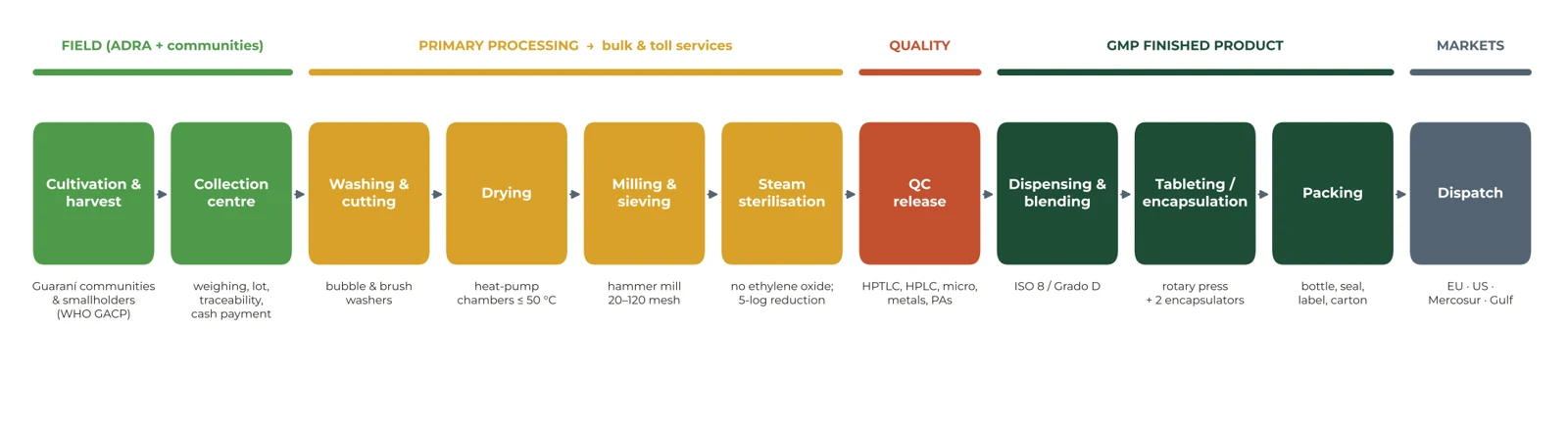
Three linked steps, from field to bottle, with full traceability for every batch.
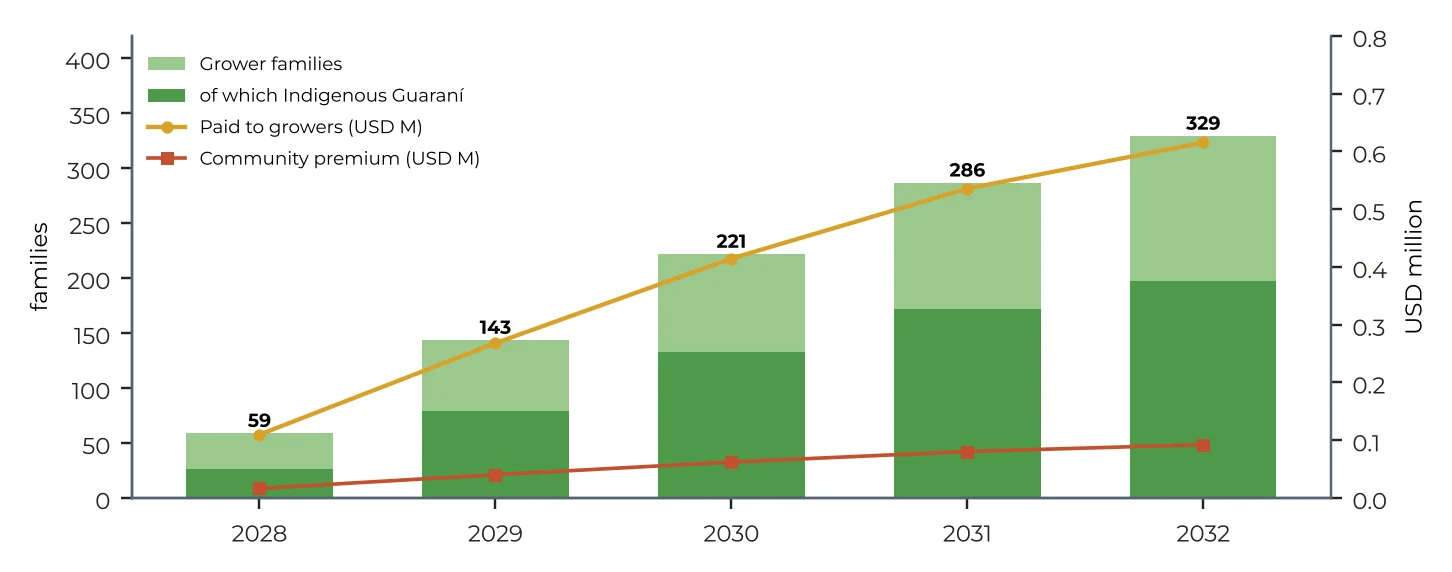
Plants from Guaraní communities and smallholders, paid 25 % above the market price, in cash. A further 15 % goes to a fund each community controls: water, school, health. No free, prior and informed consent, no purchase.
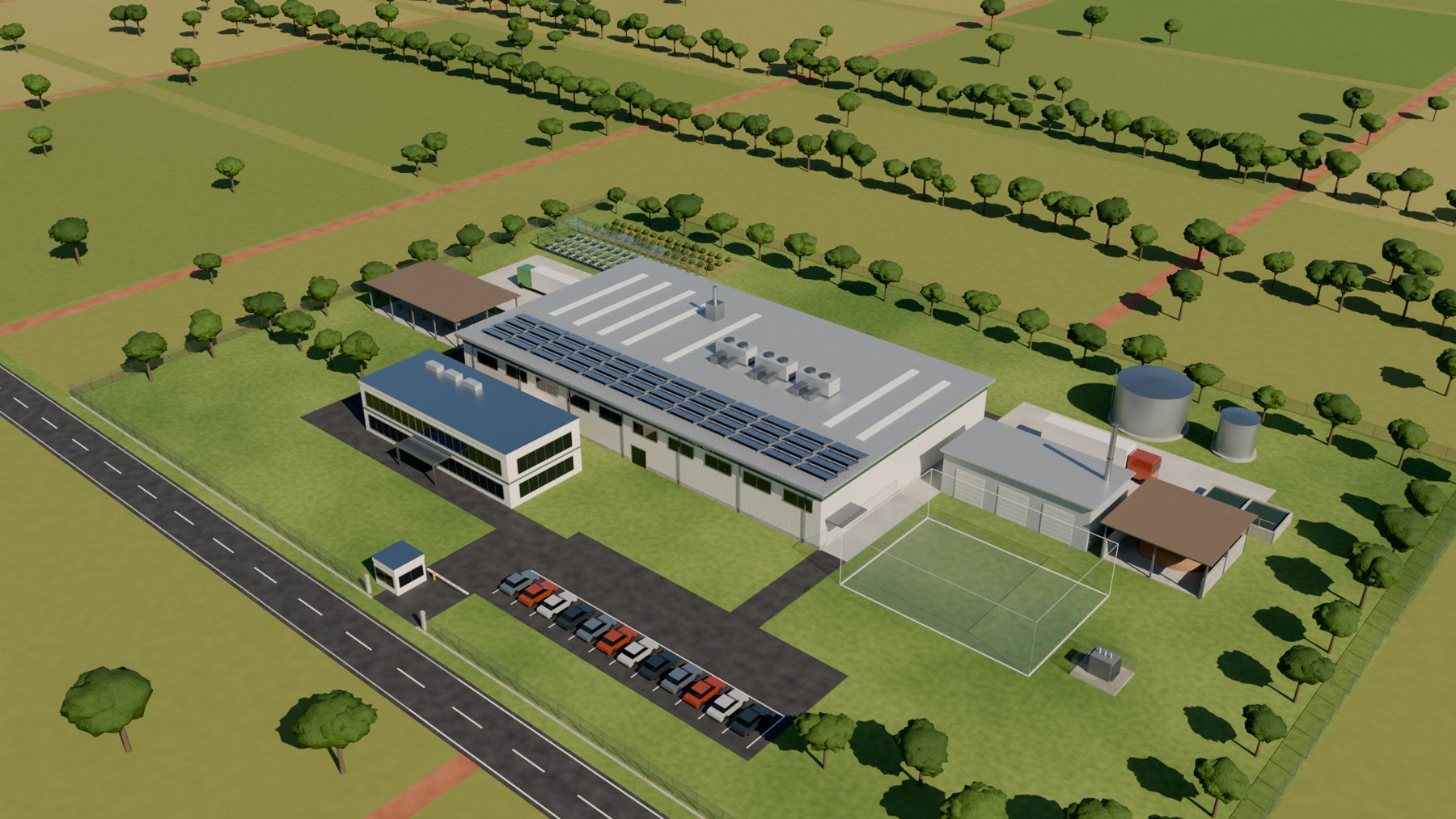
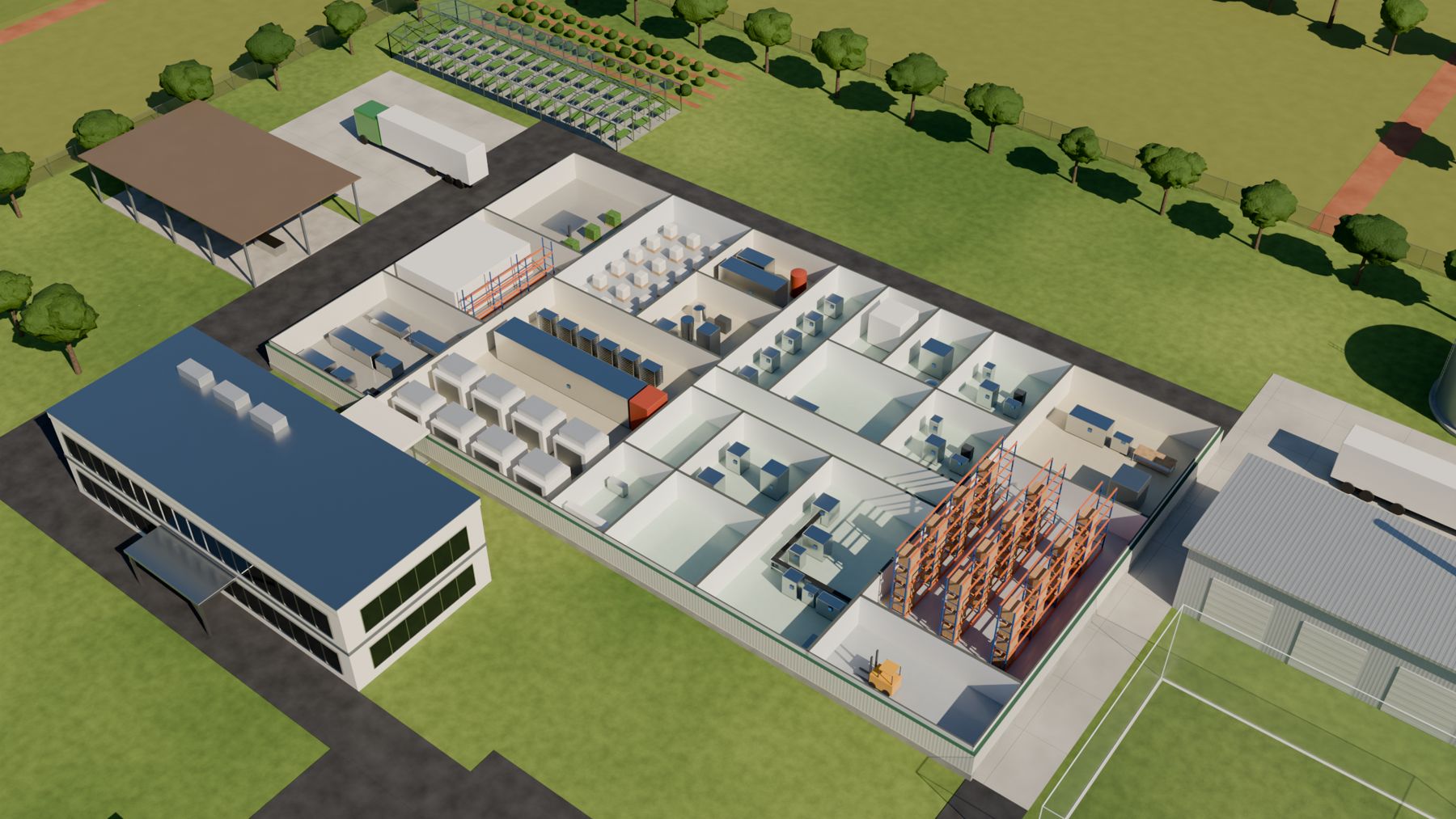
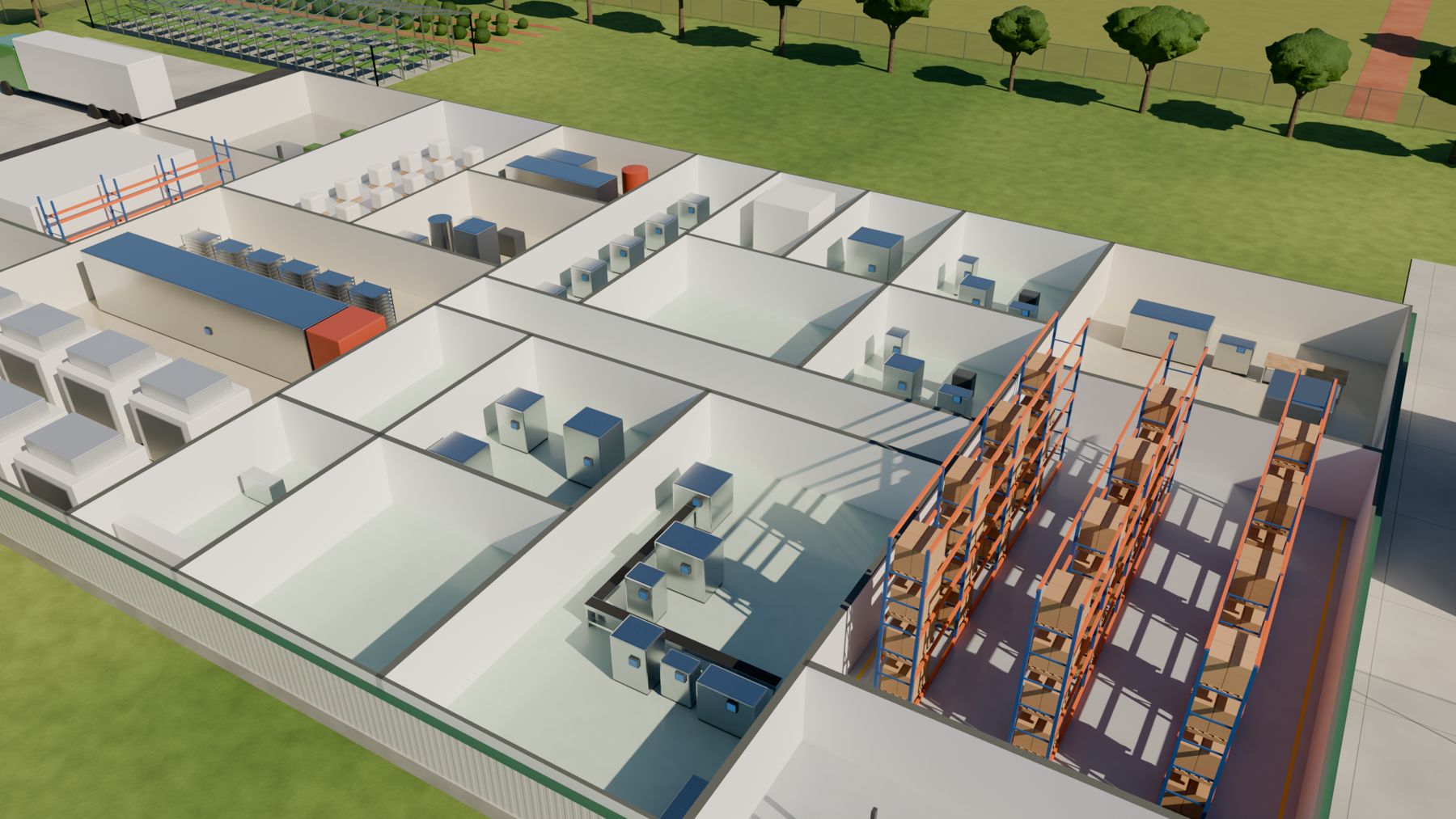
A GMP plant in Coronel Oviedo (Caaguazú) dries with heat pumps below 50 °C, mills, steam-sterilises, tablets and packs to EU and US standards. Its own laboratory checks identity and contaminants.
Finished products under the PROMESA brand, contract manufacturing for other brands, bulk ingredients and services for local producers, so the plant works all year round. 72 % of sales are exported.
The project separates the roles: industrial and commercial risk sits with those who know how to manage it, and the human side stays with those who have the standing to protect it.
ContributesA 1.76 ha industrial plot on a 50-year concession, the maquila regime and support from MIC, INDI and DINAVISA.
GetsIndustrial investment, 62 jobs, USD 13.5 M of exports in five years and development of Indigenous communities.
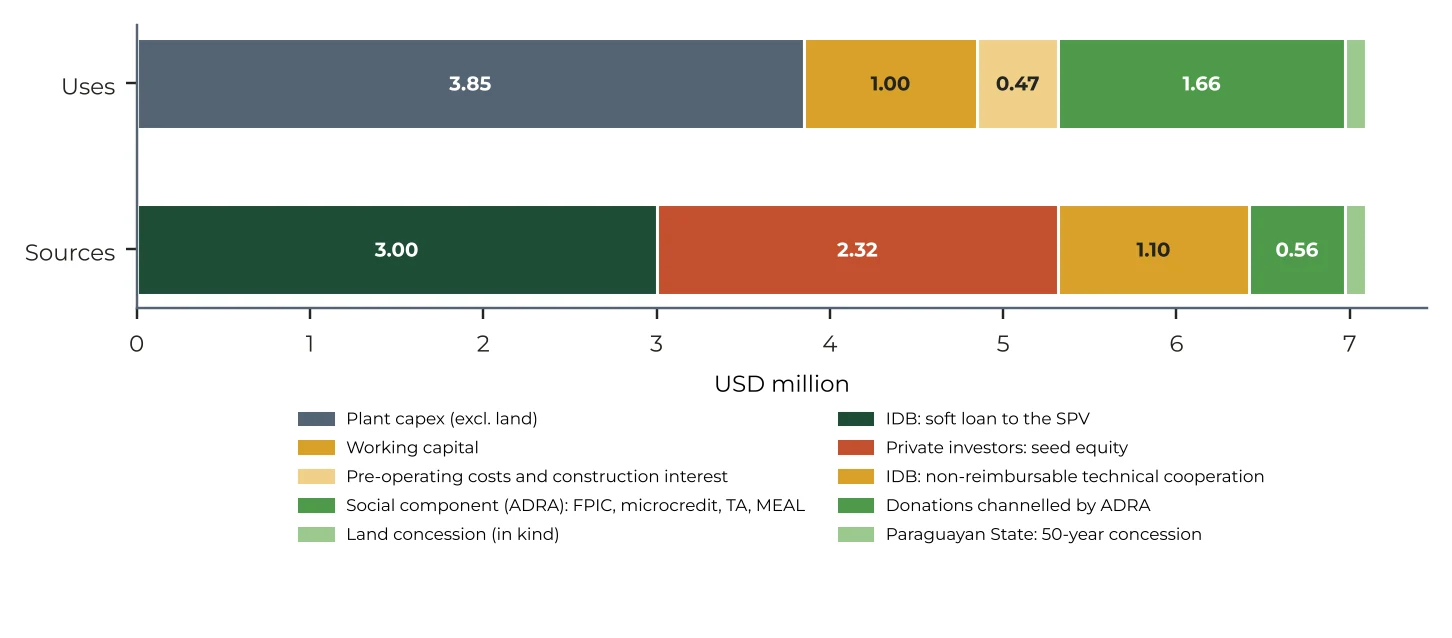
ContributesA USD 3.0 M soft loan to the project company (12 years, 3 years' grace) and USD 1.1 M of non-reimbursable technical cooperation for the social component.
GetsRepayment from commercial cash, with debt-service cover above 3 times from 2031, and impact measured every quarter.
ContributesThe human side: consultation and consent, technical assistance, micro-credit, monitoring and reporting in Logalto, and receiving donations (USD 0.56 M planned).
Gets10 % of the company and a golden share that protects the social mission for the whole concession.
ContributesUSD 2.32 M of seed equity and leadership of production, sales and distribution.
Gets85 % of the shares, in a company whose ceded land and soft finance reduce the risk of investing far from home.
The communities contribute their plants, their work and their knowledge, and receive a fair price, the community premium, credit, training and 5 % of the company.
900 mg tablets, four a day, in bottles of 120 for one month. Doses are based on European Medicines Agency monographs or controlled clinical trials. They are sold on origin, quality and traceability, with no disease claims.
PROMESA
Digestion
| Ginger | 1,200 mg |
|---|---|
| Peppermint | 800 mg |
| Lemon balm | 800 mg |
| Lemon verbena | 440 mg |
2 tablets after lunch and 2 after dinner
Dose basis: EMA monographs
PROMESA
Rest and stress
| Passionflower | 1,400 mg |
|---|---|
| Lemon balm | 800 mg |
| Lemon verbena | 640 mg |
| Chamomile | 400 mg |
2 tablets in the afternoon and 2 before bed
Dose basis: EMA monographs
PROMESA
Joints
| Turmeric | 2,100 mg |
|---|---|
| Ginger | 1,100 mg |
| Black pepper | 40 mg |
2 tablets with breakfast and 2 with dinner
Dose basis: EMA monographs
PROMESA
Energy and nutrition
| Moringa | 2,000 mg |
|---|---|
| Yerba mate | 1,000 mg |
| Stevia leaf | 240 mg |
2 tablets with breakfast and 2 at midday
Dose basis: Controlled clinical trials
The plant also makes formulas for other brands and offers drying and sterilisation to Paraguayan producers of moringa, turmeric or stevia. It never stands idle, and the country gains industrial capacity.
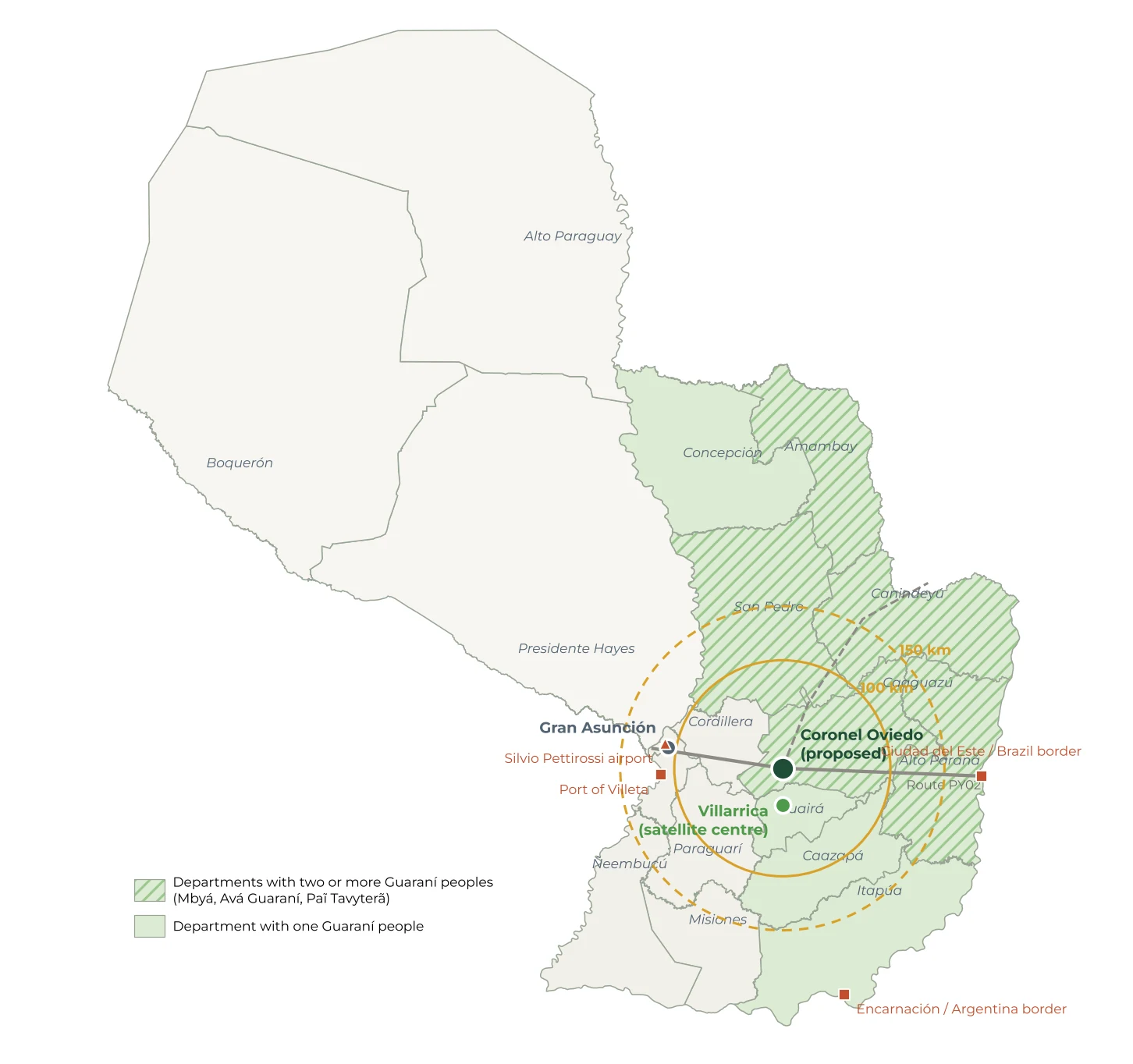
Coronel Oviedo sits where the roads from Asunción to Ciudad del Este cross, within 150 km of most Mbyá and Avá Guaraní communities.
Impact is measured from day one and reported back to the communities in Guaraní.
Five-year business plan (2028–2032) in constant dollars, built on a parametric, reproducible model.
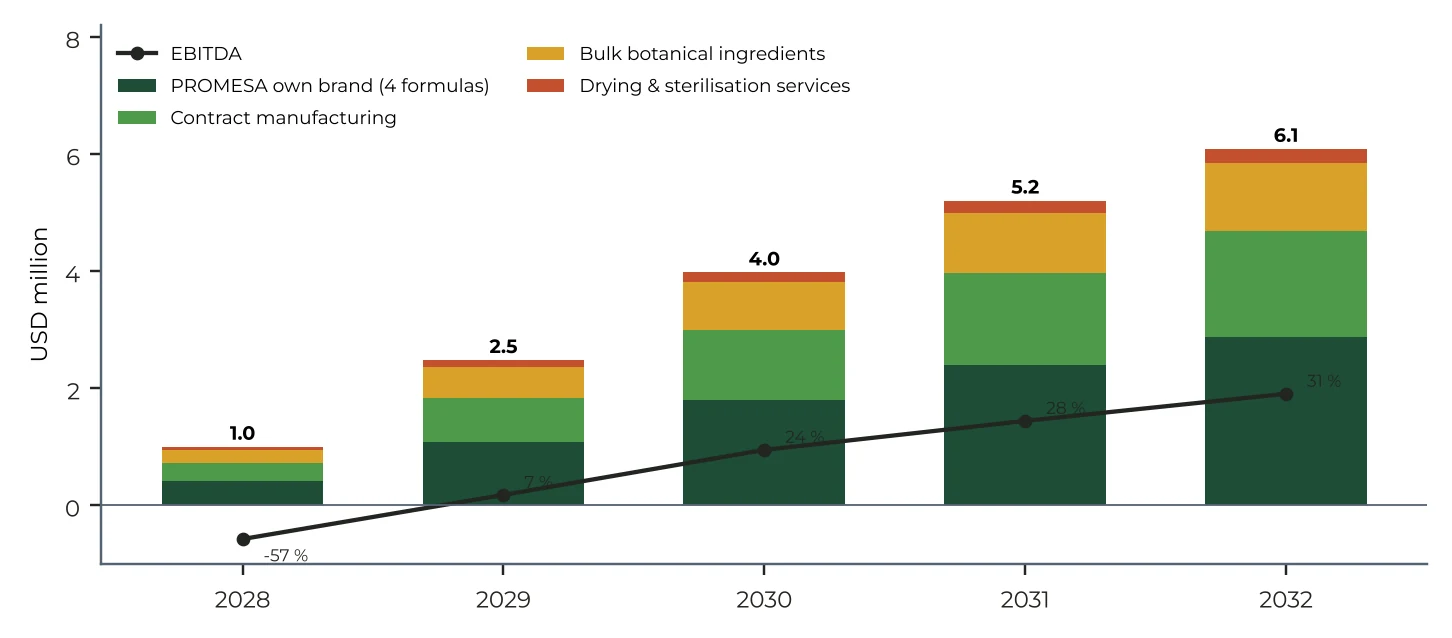
| Revenue in 2032 | USD 6.1 M |
|---|---|
| EBITDA margin in 2032 | 31 % |
| Project IRR | 20.3 % |
| Investor IRR | 31.3 % |
| NPV at 12 % | USD 2.25 M |
| Minimum debt-service cover (2031–2032) | 3.3× |
| IDB Group · soft loan | USD 3.0 M |
|---|---|
| Private investors · seed equity | USD 2.32 M |
| IDB Group · technical cooperation | USD 1.1 M |
| ADRA · donations | USD 0.56 M |
| Paraguayan State · land concession | in kind |
| Total | USD 7.09 M |
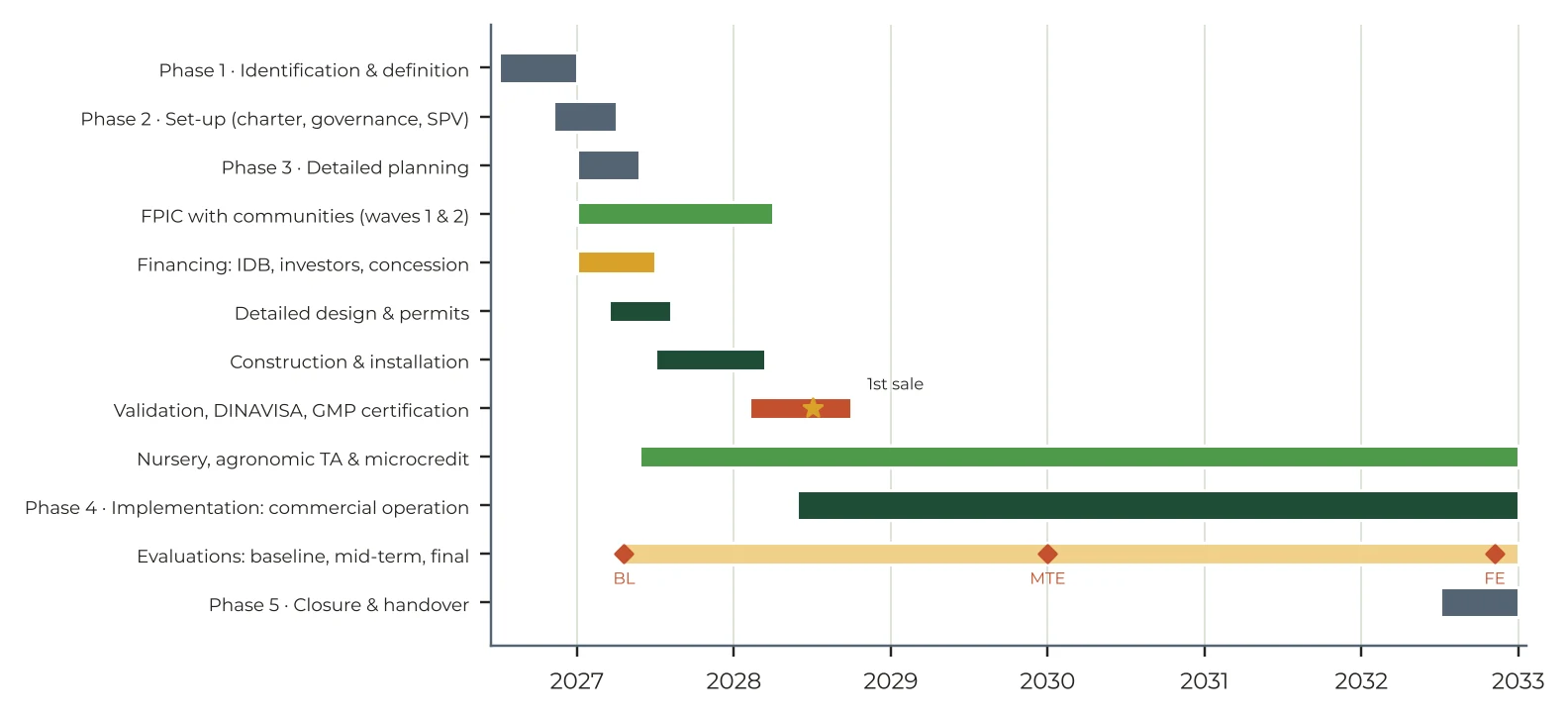
The project follows Project DPro by PM4NGOs, the standard for managing development projects, and every output has indicators, a baseline and annual targets.
Needs, stakeholders, problem tree and logframe.
Project charter, governance and risks.
Schedule, budget, people, supply and monitoring plan.
Construction, start-up and five years of operation.
Handover to the communities and the company, and final evaluation.
30 indicators ready for Logalto, broken down by sex, people and community. Quarterly reports and independent evaluations in 2027, 2030 and 2032.
ADRA International's social enterprise buys cashews from farmers ADRA has trained for decades, pays them a premium and processes the nuts in Ghana instead of exporting them raw. Profits go back to the communities.
ADRA improved cocoa fermentation and drying in eight villages. A bar made from that cocoa won gold at the Academy of Chocolate Awards in London, and the farmers earn quality premiums.
PROMESA goes one step further: it makes the finished consumer product and brings in a private industrial partner that takes the commercial risk.
We are looking for partners to close the financing in 2027. This is what we ask of each of them.
The full project document (41 pages, Spanish), the financial model and the logframe are available on request.